
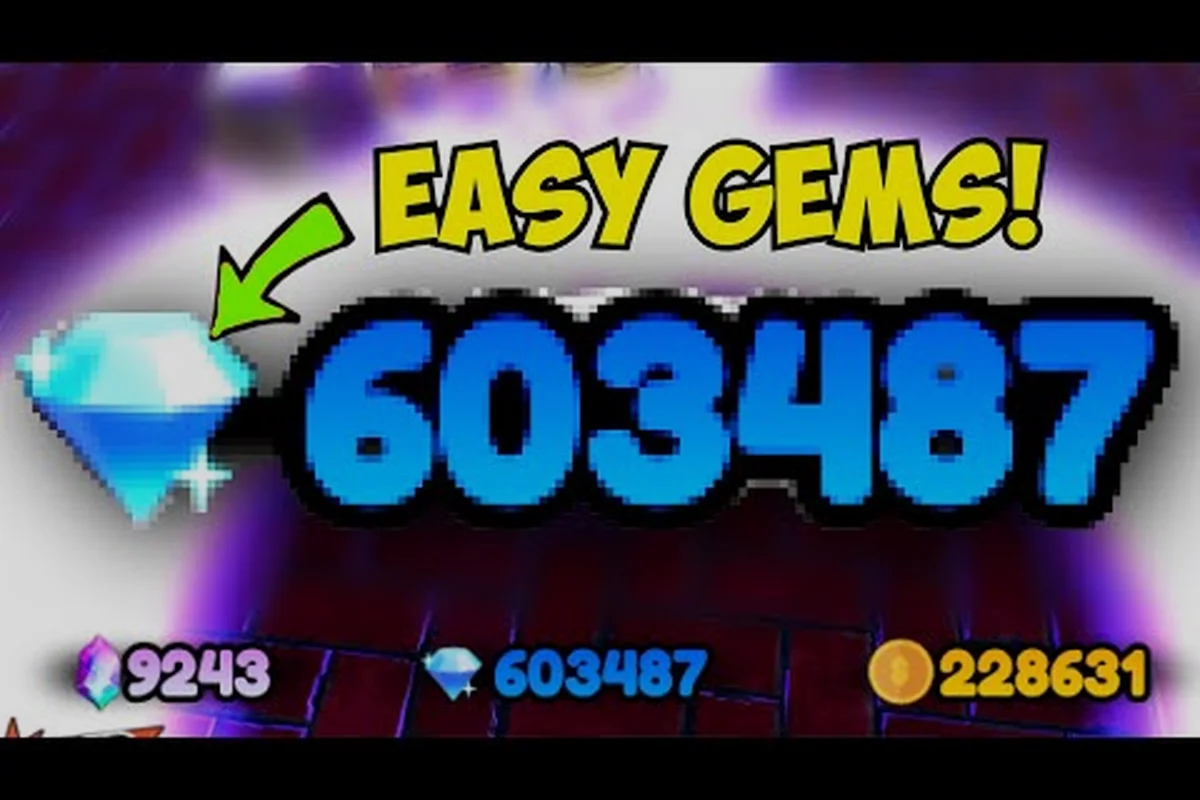
Hitting the all star tower defense currency cap is a silent account killer — you keep farming, but your gem counter freezes at 9.99 billion while every new reward vanishes into thin air. Most players discover this limit only after losing millions of gems to the void, which makes understanding the cap system essential before you invest hours into grinding. This guide breaks down every currency ceiling in ASTD, explains which modes push you toward the limit fastest, and gives you practical spending strategies so you never waste another drop of farmed wealth.
The all star tower defense currency cap isn't just a number — it's a hard wall that stops all accumulation across gems, gold, and stardust when you hit the 32-bit integer limit. Because the game stores values as signed integers, the maximum displayable amount is 2,147,483,647 for most currencies, though gems specifically cap at 9.99 billion due to a separate display multiplier. Knowing these thresholds matters because every currency has different earning rates, and some modes like Story Mode can push you toward the ceiling faster than you expect.
Understanding the All Star Tower Defense Currency Cap System
The all star tower defense currency cap operates differently depending on which of the three main currencies you're tracking. Gems are the premium currency used for summoning units, gold handles in-battle upgrades, and stardust fuels special event summons. Each one has its own ceiling, and hitting any of them triggers the same result: new income stops registering even though the game continues to show the maxed value.
According to community reports from the official Roblox page, the game stores currency values as 32-bit integers, which creates a natural ceiling at 2,147,483,647. However, the gem counter displays values up to 9.99 billion because the game applies a multiplier during display. This discrepancy confuses many players who think they have more room than they actually do — the real cap for storage purposes remains the integer limit.
| Currency | Display Cap | Storage Cap | Primary Source |
|---|---|---|---|
| Gems | 9,990,000,000 | 2,147,483,647 | Story Mode, codes, events |
| Gold | 2,147,483,647 | 2,147,483,647 | In-battle kills, wave bonuses |
| Stardust | 2,147,483,647 | 2,147,483,647 | Codes, events, daily rewards |
The practical takeaway from this table is that gems display a higher number than the game actually stores, which means you could hit the storage cap while your screen still shows room to grow. When that happens, any new gem income gets silently discarded — no warning message, no error, just lost value. Players who grind heavily during double-rate events report losing millions before realizing what happened.
How the Integer Limit Affects Your Account
The 32-bit signed integer limit creates a specific problem for long-term players because the game never converts overflow into a different currency or sends it to your inventory. Once you cross the threshold, the counter simply stops increasing, and the surplus disappears from the game's economy entirely. This is why the all star tower defense currency cap matters more than casual players think — it directly impacts how much wealth you can accumulate before being forced to spend.
Community testing shows that the cap resets only when you spend below the threshold, meaning you can't bank overflow for later. If you're sitting at 2.1 billion stored gems and earn another 500 million, those 500 million are gone forever. The game doesn't queue them, doesn't convert them, and doesn't notify you. This silent loss mechanism is the primary reason experienced players maintain a spending routine rather than hoarding.
Gem Cap Details and the 9.99 Billion Display Limit
The 9.99 billion gem display cap is the most visible ceiling in ASTD, and it's also the most misunderstood. While your screen shows a maximum of 9,990,000,000 gems, the actual storage limit sits much lower at the integer boundary. This means the display cap is essentially cosmetic — it represents a value the game can't actually hold in its backend.
Players who reach the display cap typically do so through a combination of Story Mode farming, code redemptions, and event rewards. The All Star Tower Defense Roblox page confirms that Story Mode and the Summon Gate are the primary gem sources, with new items appearing in the shop every hour. When you combine these sources with active codes, the accumulation rate becomes surprisingly fast.
| Farming Method | Gems per Hour | Cap Risk Level |
|---|---|---|
| Story Mode (solo) | 50,000 - 150,000 | Low |
| Story Mode (co-op) | 100,000 - 250,000 | Medium |
| Code redemption bursts | 200,000 - 500,000 | High |
| Event farming | 150,000 - 400,000 | Medium-High |
The risk assessment above shows that code redemption bursts carry the highest cap risk because they inject large sums instantly. If you're sitting near the storage limit and redeem a code worth 9,000 gems, you might lose the entire redemption. Players report this happening most often after major updates when multiple codes drop simultaneously.
Why the Display Cap Misleads Players
The gap between display and storage caps creates a false sense of security because players assume the number on screen reflects their actual balance. In reality, the game shows a multiplied value while storing a smaller integer. According to community data, the multiplier appears to be approximately 4.65x, which means a stored value of 2.1 billion displays as roughly 9.8 billion.
This discrepancy means you could be millions of gems away from the display cap while already sitting at the storage ceiling. The only way to verify your true balance is to spend gems and watch whether the counter drops — if it doesn't decrease after a purchase, you've likely hit the storage cap. This testing method is the most reliable way to confirm your actual status without relying on the misleading display.
Gold and Stardust Caps in All Star Tower Defense Currencies
Gold and stardust follow the same integer limit as gems, but their earning patterns create different cap scenarios. Gold accumulates during battles and resets when you leave a match, which means the cap rarely becomes an issue for this currency. Stardust, however, persists across sessions and can build up significantly through code redemptions and event participation.
The all star tower defense currencies system treats each currency independently, so hitting the gem cap doesn't affect your gold or stardust accumulation. This separation gives you flexibility — even if you're maxed on gems, you can still earn stardust through codes and events. The Pocket Tactics code list shows active codes granting anywhere from 100 to 280 stardust per redemption, which adds up quickly during update periods.
| Currency | Cap Value | Reset Condition | Overflow Behavior |
|---|---|---|---|
| Gold | 2,147,483,647 | End of battle | Lost on match exit |
| Stardust | 2,147,483,647 | Spend below threshold | Silently discarded |
| Gems | 2,147,483,647 (storage) | Spend below threshold | Silently discarded |
The table highlights a critical difference: gold resets naturally after each battle, so you never need to worry about hitting its cap. Stardust and gems, however, persist indefinitely, which means long-term players must actively manage their balances. The stardust cap becomes especially relevant during code-heavy periods when multiple redemptions stack quickly.
Stardust Accumulation and Event Timing
Stardust flows primarily through code redemptions and limited-time events, making its accumulation pattern bursty rather than steady. A single update can inject hundreds of stardust through multiple codes, and players who redeem everything immediately might find themselves approaching the cap faster than expected. The all star tower defense currency cap for stardust sits at the same integer limit, but the earning pattern makes it easier to hit accidentally.
Players who participate in every event and redeem every code report hitting the stardust cap within three to four months of active play. Because stardust has fewer spending options than gems — it's mainly used for special summons — some players struggle to spend it down. This creates a situation where the cap becomes a real constraint rather than a theoretical limit.
Smart Spending Strategies to Avoid the All Star Tower Defense Currency Cap
Preventing cap losses requires a proactive spending approach rather than waiting until you hit the ceiling. The most effective strategy is to maintain a spending floor — always keep your gem balance below 90% of the storage cap so you have room for unexpected income. This buffer protects you during code drops and event rewards that inject large sums without warning.
For players who want to farm gems through Story Mode, the story maps guide provides detailed breakdowns of which maps offer the best gem-to-time ratios. Combining efficient farming with regular spending creates a sustainable loop that never approaches the cap. The key is treating spending as part of your farming routine rather than an occasional activity.
-
Summon regularly: The Summon Gate is the primary gem sink, and pulling units keeps your balance in check while improving your roster
-
Upgrade units strategically: Investing gems in unit upgrades provides permanent value while reducing your balance
-
Save stardust for limited units: Stardust summons often feature exclusive units, making them a worthwhile spending target
-
Monitor your balance weekly: A quick check every few days prevents surprise cap hits
-
Redeem codes immediately: Don't stockpile codes — redeem them right away so the gems count toward your balance
Spending Priorities for Near-Cap Players
When you're approaching the all star tower defense currency cap, your spending priorities should shift toward permanent value purchases rather than temporary boosts. Unit summons offer the best long-term return because new units expand your strategic options and improve your performance across all game modes. The World 2 guide explains how raid units and tournament units become essential for endgame content, making summons a smart investment.
For players who already have strong rosters, stardust summons become the next priority because they offer exclusive units unavailable through regular gems. The limited-time nature of these units means you can't postpone spending — if you hit the cap, you lose the opportunity to acquire them. This urgency makes stardust management particularly important during event periods.
| Spending Target | Value Type | Cap Relief | Priority |
|---|---|---|---|
| Summon Gate pulls | Permanent units | High | First |
| Stardust summons | Exclusive units | High | Second |
| Unit upgrades | Permanent stats | Medium | Third |
| Emote shop items | Cosmetic | Low | Last |
The priority table shows that unit-related spending offers the best cap relief because it converts currency into permanent account value. Cosmetic purchases like emotes provide no gameplay benefit, making them the weakest choice when you need to reduce your balance quickly. Players who focus their spending on gameplay-relevant items report better long-term results than those who spend on cosmetics.
How to Farm Gems in Story Mode Without Hitting the Cap
The all star tower defense farm gems story mode strategy requires balancing earning with spending to maintain a healthy currency flow. Story Mode offers the most consistent gem income in the game, with co-op play providing higher rates than solo runs. However, the steady income means you'll approach the cap faster if you don't spend regularly.
According to community reports, co-op Story Mode runs yield roughly 50% more gems per hour than solo play because you can clear waves faster with coordinated unit placement. This efficiency makes co-op the preferred farming method for players who want maximum gem income. The tradeoff is that faster earning means faster cap progression, which reinforces the need for disciplined spending.
-
Run co-op missions with friends: Coordinated play clears waves faster and increases gem yield
-
Complete daily missions: These provide bonus gems on top of regular Story Mode income
-
Participate in weekend events: Double-rate events can double your gem income, but also double your cap risk
-
Spend after every farming session: Make spending part of your routine, not an afterthought
-
Track your balance in a spreadsheet: Simple tracking prevents surprise cap hits
Managing Income and Expenses at the Cap
The key to sustainable gem farming is establishing a spending rhythm that matches your earning rate. If you earn 200,000 gems per hour in Story Mode, you should spend at least that amount each session to maintain a stable balance. This approach keeps your currency flowing while ensuring you never approach the all star tower defense currency cap.
Players who struggle with spending discipline often find it helpful to set a minimum balance threshold — for example, never letting your gem count exceed 1 billion. When you cross that threshold, you force yourself to summon or upgrade until you drop below it. This simple rule prevents the gradual accumulation that leads to cap hits.
Advanced Currency Management for Endgame Players
Endgame players face unique challenges with the all star tower defense currency cap because they've already acquired most units and upgrades. With fewer spending targets, their balances tend to accumulate faster, making cap management more difficult. The gems per hour guide provides detailed earning rate comparisons that help endgame players understand their specific accumulation patterns.
For players who have everything, stardust becomes the primary spending outlet because limited units rotate regularly. The all star tower defense currencies system rewards players who maintain flexibility — keeping some stardust in reserve for unexpected limited units while spending excess gems on summons. This balanced approach prevents any single currency from hitting its cap.
| Player Stage | Primary Spending | Cap Risk | Recommended Balance |
|---|---|---|---|
| Early game | Unit summons | Low | Below 500M gems |
| Mid game | Upgrades + summons | Medium | Below 1B gems |
| End game | Stardust summons | High | Below 1.5B gems |
The balance recommendations above reflect the different spending patterns at each stage. Endgame players face the highest cap risk because their spending options are limited, which is why the recommended balance threshold is higher — they need more room for unexpected income while having fewer ways to spend it down.
Using the Cash Currency System as a Spending Alternative
The cash currency guide explains how tokens and candy provide alternative spending options that don't affect your gem balance. While these currencies serve different purposes, they offer additional ways to engage with the game's economy without pushing your gem count toward the cap. Understanding the full currency ecosystem helps you make smarter decisions about which currencies to accumulate and which to spend.
Players who master the entire all star tower defense currencies system report fewer cap-related losses because they can shift spending between currencies based on which one is closest to its limit. This flexibility is especially valuable during update periods when multiple currencies receive injections simultaneously. The key is maintaining awareness of all your balances, not just your gem count.
Frequently Asked Questions
What happens when you hit the all star tower defense currency cap?
When you hit the cap, the game stops recording new currency income even though your display may still show the maximum value. Any gems, gold, or stardust earned beyond the cap are silently discarded with no warning message. The only way to resume earning is to spend below the threshold, which restores your ability to accumulate.
How do I know if I've reached the gem storage cap?
The clearest test is to spend gems and see if the counter drops—if it stays frozen after a purchase, you've capped out. Community data shows the display runs about 4.65x your real total, so a readout near 9.8 billion signals the limit in All Star Tower Defense.
Can I farm gems in Story Mode without worrying about the cap?
You can farm gems in Story Mode, but you must spend regularly to avoid hitting the cap. Co-op runs yield about 50% more gems per hour than solo play, which means faster accumulation and higher cap risk. Establish a spending routine that matches your earning rate to maintain a stable balance.
Does the stardust cap work the same as the gem cap?
Yes, stardust follows the same integer limit as gems, but its bursty earning pattern makes it easier to hit accidentally. Code redemptions and events inject stardust in large chunks, which can push you toward the cap quickly. Spend stardust on limited unit summons to keep your balance manageable.
What should I spend gems on to avoid hitting the cap?
Unit summons are your best gem sink—they add permanent units and never waste value. Stardust summons come second for exclusive pulls, then unit upgrades. Avoid emotes entirely; they’re pure cosmetic and just drain balance. Check your gem count before farming, set a 500-gem threshold, and spend on summons weekly to dodge the cap.